Los tres tipos de ostoma son: colostomía, ileostomía y urostomía.
Colostomía
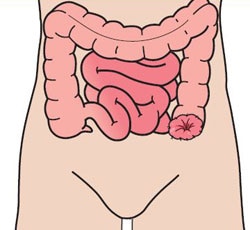 En una operación de colostomía, se lleva parte del colon a la superficie del abdomen para formar el ostoma. Generalmente, se crea una colostomía del lado izquierdo del abdomen. Las heces en esta parte del intestino son sólidas, y como el ostoma no tiene un músculo para controlar la deposición, será necesario recogerlas usando una bolsa de ostomía.
Hay dos tipos diferentes de cirugía de colostomía: colostomía terminal y colostomía en asa.
Colostomía terminal
Si se han extirpado partes del intestino grueso (colon) o recto, el intestino grueso remanente se lleva a la superficie del abdomen para formar un ostoma. Una colostomía terminal puede ser temporaria o permanente. La solución temporaria es relevante en situaciones donde se ha extirpado la parte enferma del intestino y la parte remanente del intestino necesita descansar antes de que se puedan unir los extremos. La solución permanente se elige en situaciones donde es demasiado riesgoso o no es posible volver a unir las dos partes del intestino.
Colostomía en asa
En una colostomía en asa, se levanta el intestino por encima del nivel de la piel y se lo deja en su lugar con una varilla para ostoma. Se realiza un corte en el asa del intestino expuesto, y luego los extremos se enrollan y se suturan a la piel. De esta forma, el ostoma en asa en realidad está formado por dos ostomas (ostoma de doble boca) que están unidos. Generalmente, la colostomía en asa es una medida temporaria que se lleva a cabo en situaciones agudas. También puede llevarse a cabo para proteger una unión quirúrgica en el intestino.
Ileostomía
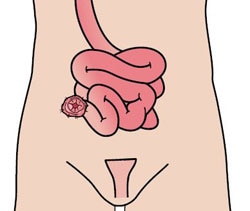 En una operación de ileostomía, una parte del intestino delgado llamada íleon se lleva a la superficie del abdomen para formar el ostoma. Por lo general, la ileostomía se realiza en casos donde la parte final del intestino delgado está enferma, y habitualmente se realiza del lado derecho del abdomen.
Las heces en esta parte del intestino son generalmente líquidas, y como el ostoma no tiene un músculo para controlar la deposición, será necesario recogerlas en una bolsa.
Hay dos tipos diferentes de cirugía de ileostomía:
Ileostomía terminal
Una ileostomía terminal se realiza cuando se extirpa (o simplemente necesita descansar) parte del intestino grueso (colon) y la parte final del intestino delgado se lleva a la superficie del abdomen para formar un ostoma. Una ileostomía terminal puede ser temporaria o permanente.
La solución temporaria es relevante en situaciones donde se ha extirpado la parte enferma del intestino y la parte remanente del intestino necesita descansar antes de que se puedan unir los extremos. La solución permanente se elige en situaciones donde es demasiado riesgoso o no es posible volver a unir las dos partes del intestino.
Ileostomía en asa
En una ileostomía en asa, se levanta el intestino delgado por encima del nivel de la piel y se lo coloca en su lugar con una varilla para ostoma. Se realiza un corte en el asa del intestino expuesto, y luego los extremos se enrollan y se suturan a la piel. De esta forma, la ileostomía en asa en realidad está formada por dos ostomas que están unidos.
Por lo general, la ileostomía en asa es temporaria y se realiza para proteger una unión quirúrgica en el intestino. Si es temporaria, se cerrará o se revertirá en una operación posterior.
Urostomía
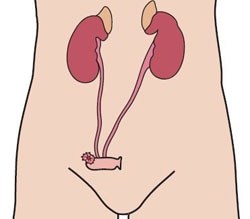 Si se daña o se enferma la vejiga o el aparato urinario y no puede orinar normalmente, es necesario efectuar una desviación urinaria. A este procedimiento se lo denomina urostomía, conducto ileal o vejiga Bricker.
Se lleva una parte aislada del intestino del lado derecho del abdomen a la superficie y el otro extremo se sutura. Se desprenden los uréteres de la vejiga y se vuelven a unir a la sección aislada del intestino. Como esta sección del intestino es demasiado pequeña como para funcionar como reservorio, y no hay músculo ni válvula que controle la micción, necesitará una bolsa de urostomía para recolectar la orina.